Sunday, November 20, 2005


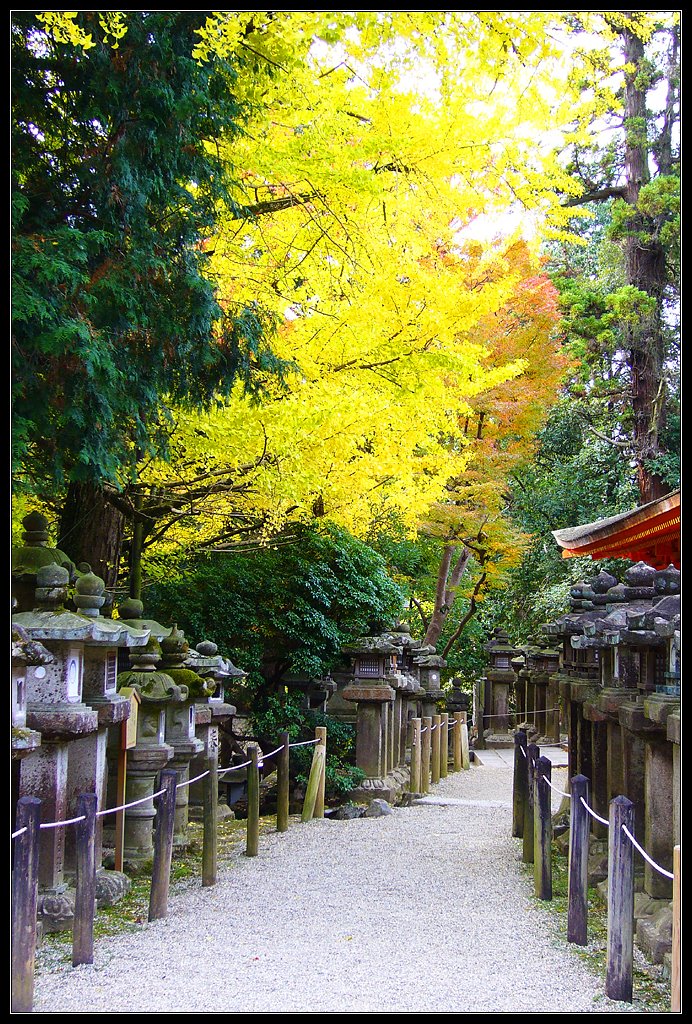
Kasuga Taisha is famous for its many lanterns which were donated by worshippers. The many bronze lanterns within the shrine and the hundreds of stone lanterns lining the shrine's approach are lit on the occasion of the Lantern Festivals in February and August.

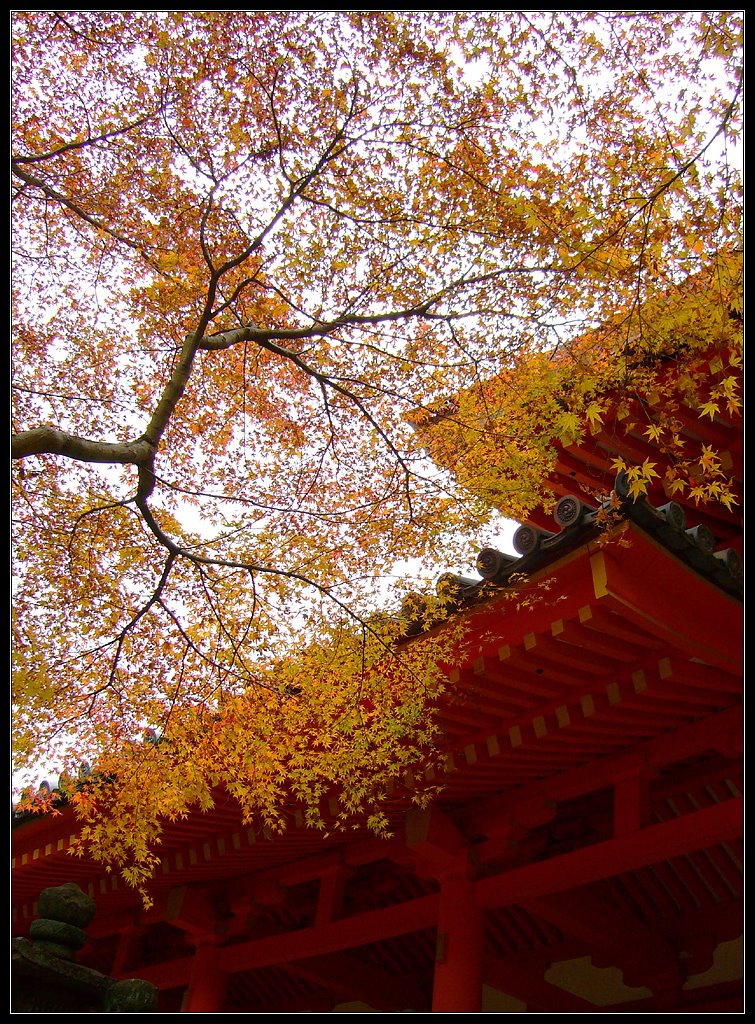
Bright red maple trees against an old temple roof.


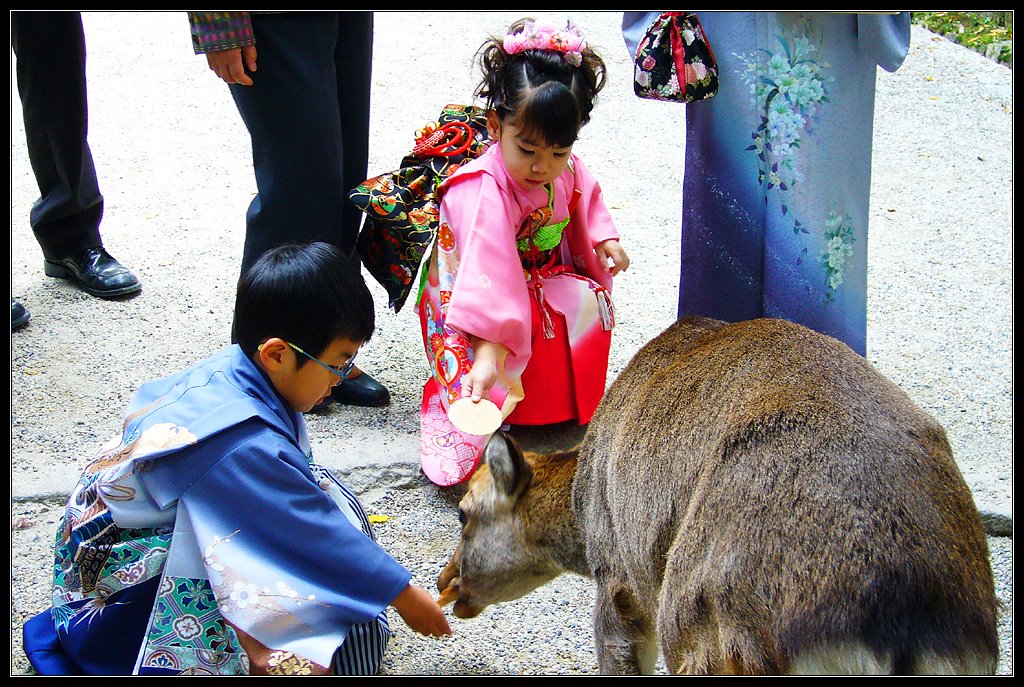
Welcome by the stone deer at Kasuga Taisha Shrine.

Kasuga Taisha is Nara's most celebrated shrine. It was established at the same time as the capital and dedicated to the deity responsible for the protection of the city.


Todaiji View

Saturday, November 19, 2005


Inside the main hall, several children คลาน under the tree tunnel. A popular belief holds that if one can sqeeze through the hole, one will attain Nirvana.
Not only is Todaiji housing Japan's largest Buddha statue (Daibutsu), but it is also the world's largest wooden building, even though the present reconstruction of 1692 is only two thirds of the original temple's size.

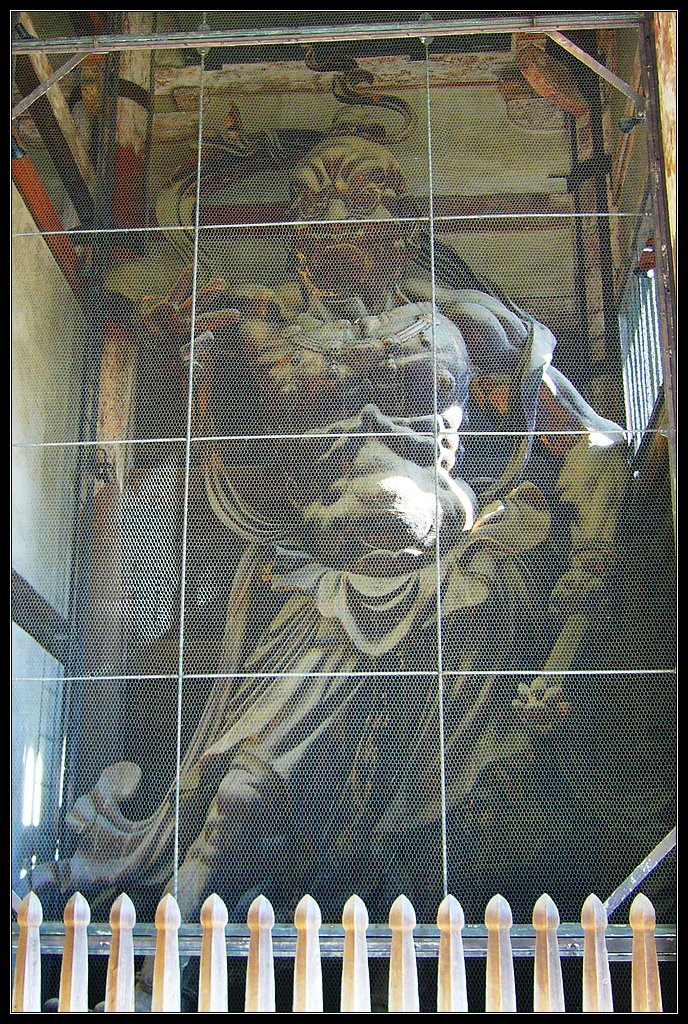
A frightful-looking statue at the temple gate.

We then walk further to Todaiji Temple ("Great Eastern Temple")
It is one of Japan's most famous and historically significant temples and a landmark of Nara.
Todaiji was constructed in 752 as the head temple of all provincial Buddhist temples of Japan and grew so powerful that the capital was moved from Nara to Nagaoka in 784 in order to lower its influence on government affairs.

One of the collections in the Nara National Museum

An artist at Nara

The five storied pagoda is one of Japan's tallest and the symbol of Nara. It burnt to the ground no less than five times.

Kofukuji Temple
The temple was established in Nara at the same time as the capital in 710. At the height of Fujiwara power, the temple consisted of over 150 buildings. Today, a couple of buildings of great historic value including a three and a five storied pagoda remain.


Today Nara is our main destination. It is the Japan's first permanent capital established in the year 710 formerly known as Heijo.

Welcome by many freely roaming deer. They are considered messengers of the gods in Shinto, and have become a symbol of the city and have even been designated a National Treasure.

We find Pachingko shops everywhere and always with lots of people concentrated on playing.

Or one can try a noodle bar counter.

Yashinoya, one of the Japanese fast food franchise. The food is quite good.


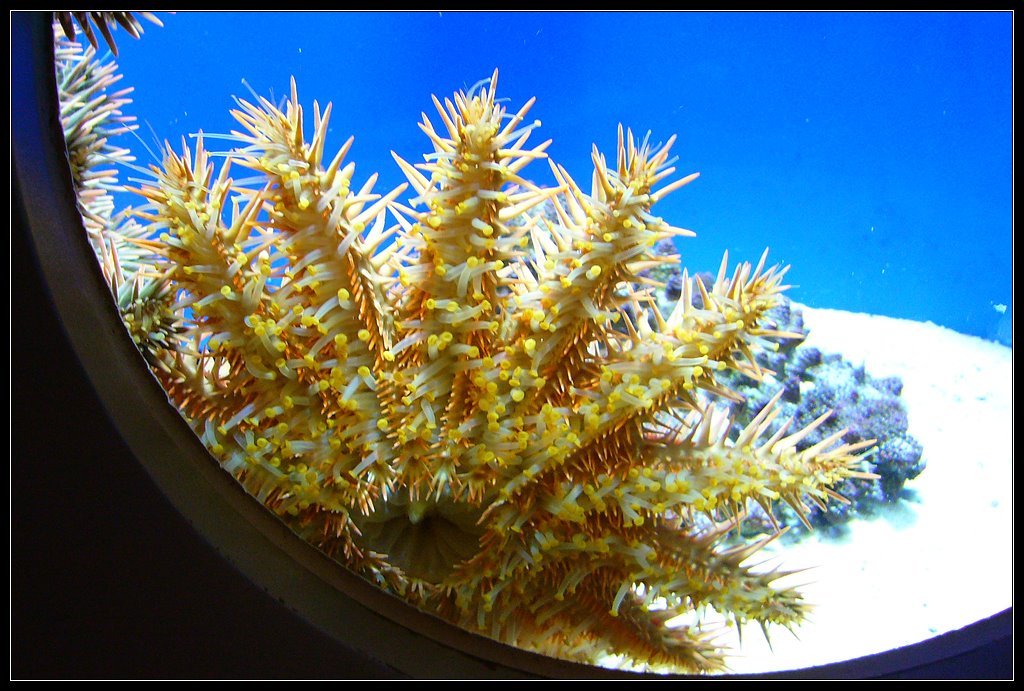
Marine life is displayed in 15 tanks, each representing a specific region of the Pacific Rim. The central tank, representing the Pacifc Ocean, is nine meters deep.

We start our tour of the aquarium on the 8th floor and slowly spiral down floor by floor around the central tank. Some of the tanks stretch over several floors, making it possible to observe the animals from different depths and perspectives.

Osaka Aquarium is located in the Tempozan Harbor Village of Osaka's Port area.

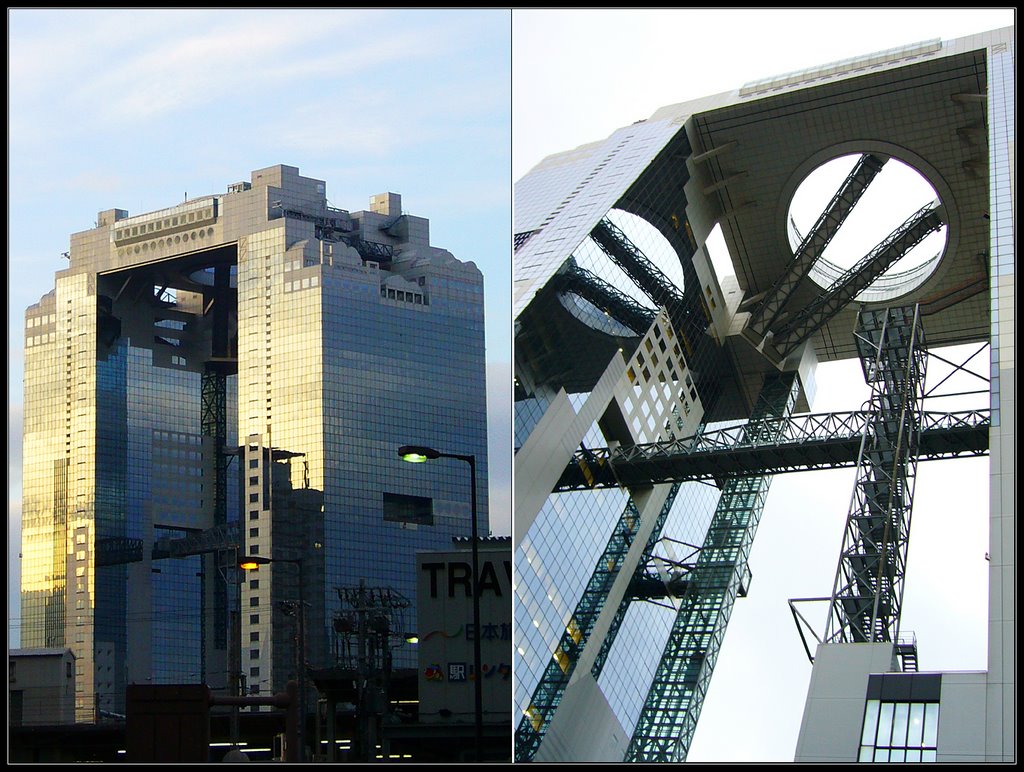
The Umeda Sky Building
The 173 meter tall building consists of two main towers which are connected with each other by the "Floating Garden Observatory" on the 39th floor.


Our lunch for today is at the small ramen shop.

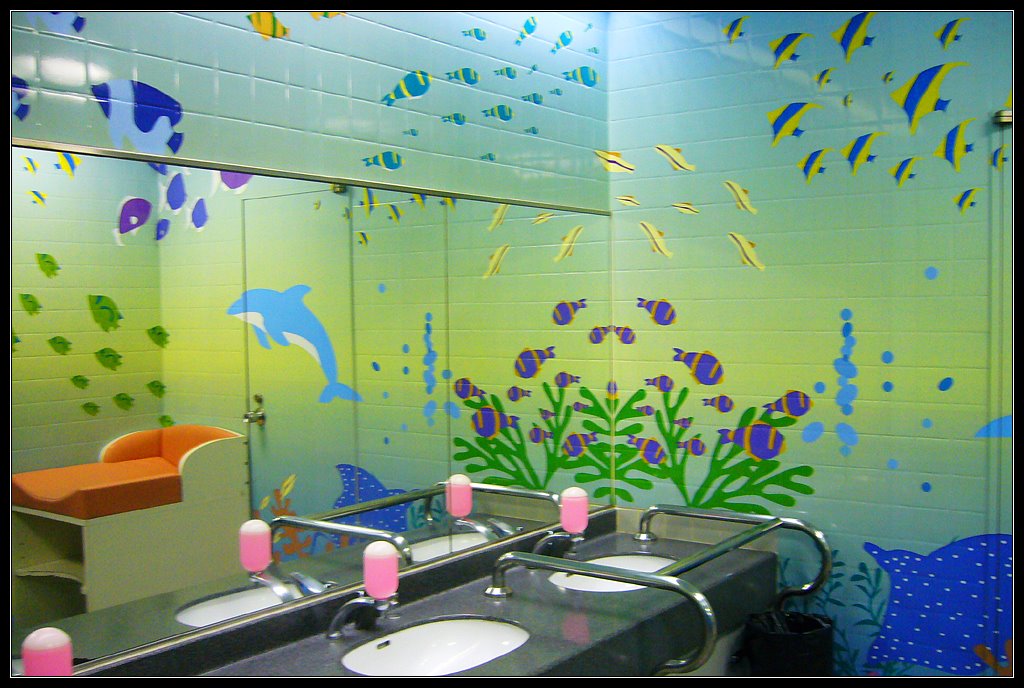
The decoration in the toilet at the aquarium.
 
eXTReMe Tracker